


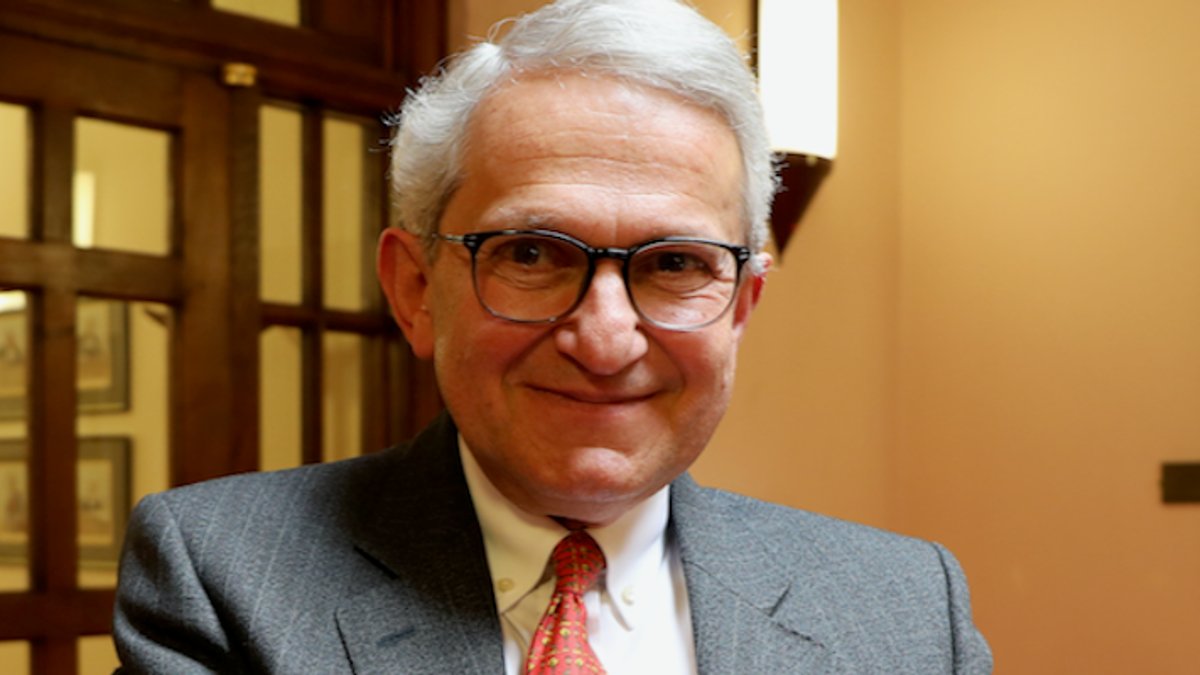
The public is likely to become comfortable with machines deciding some disputes as the technology becomes more reliable, the Master of the Rolls has predicted. Sir Geoffrey Vos suggested that litigants may eventually choose to have cases determined “in minutes by a machine at little or no cost” rather than waiting months or years for a human judge to hand down a decision. [1] Junior lawyer claims firing after soul‑sucking TikTok
From algorithms to the courtroom
Speaking at the John Lehane Memorial Lecture at the Supreme Court of New South Wales, the top judge said he believes litigants will “come to have confidence in machine-made decisions” once they are shown to be as reliable, or more reliable, than decisions made by humans. He pointed to areas where outcomes can be determined largely through algorithms, such as the assessment of damages in personal injury and medical negligence claims, as well as share valuations in minority shareholder disputes. Machine-led dispute resolution is already a reality in some settings, with eBay deciding 60 million disputes on its platform each year, 90% of which are resolved without human intervention.
“Machine-made decisions will, of course, be cheaper and quicker to obtain,” Vos said. He suggested the shift could begin in areas where outcomes can be determined largely through algorithms, pointing to the assessment of damages in personal injury and medical negligence claims, as well as share valuations in minority shareholder disputes. The Master of the Rolls argued that the shift could begin at the lower-value end of the court system. He suggested that humans will come to accept, on economic grounds, machine-enabled resolution of small disputes at first instance. “It is quite likely, I think,” Vos said, “that humans will come to accept, on economic grounds, machine-enabled resolution of small disputes at first instance.”
Where the line is drawn
Despite the potential benefits, Vos drew a line between parties choosing an AI decision-maker and courts imposing one on them. “Consensual machine-made decisions are one thing, and non-consensual ones are quite another,” he said, arguing that there are “important reasons of legal principle” why courts may be unable to force machine-made judgments on unwilling parties. He noted that the right to a human judicial decision is “deeply entrenched” and argued that judges should not be replaced without legislative change.
The comments came as part of a wider speech in which Vos urged lawyers and judges to adopt AI, while maintaining a red line against fully autonomous judicial decision-making without the “freely and fully informed consent” of the parties. He also warned that the line between an AI making a decision and merely assisting a human judge could become increasingly difficult to maintain as the technology improves. “If a judge is presented with 1,000 decisions, economic and time pressures will inevitably lead to judicial approval of the machine’s recommendations,” he said. Vos urged lawyers and judges to adopt AI, while maintaining a red line against fully autonomous judicial decision-making without the “freely and fully informed consent” of the parties.

